
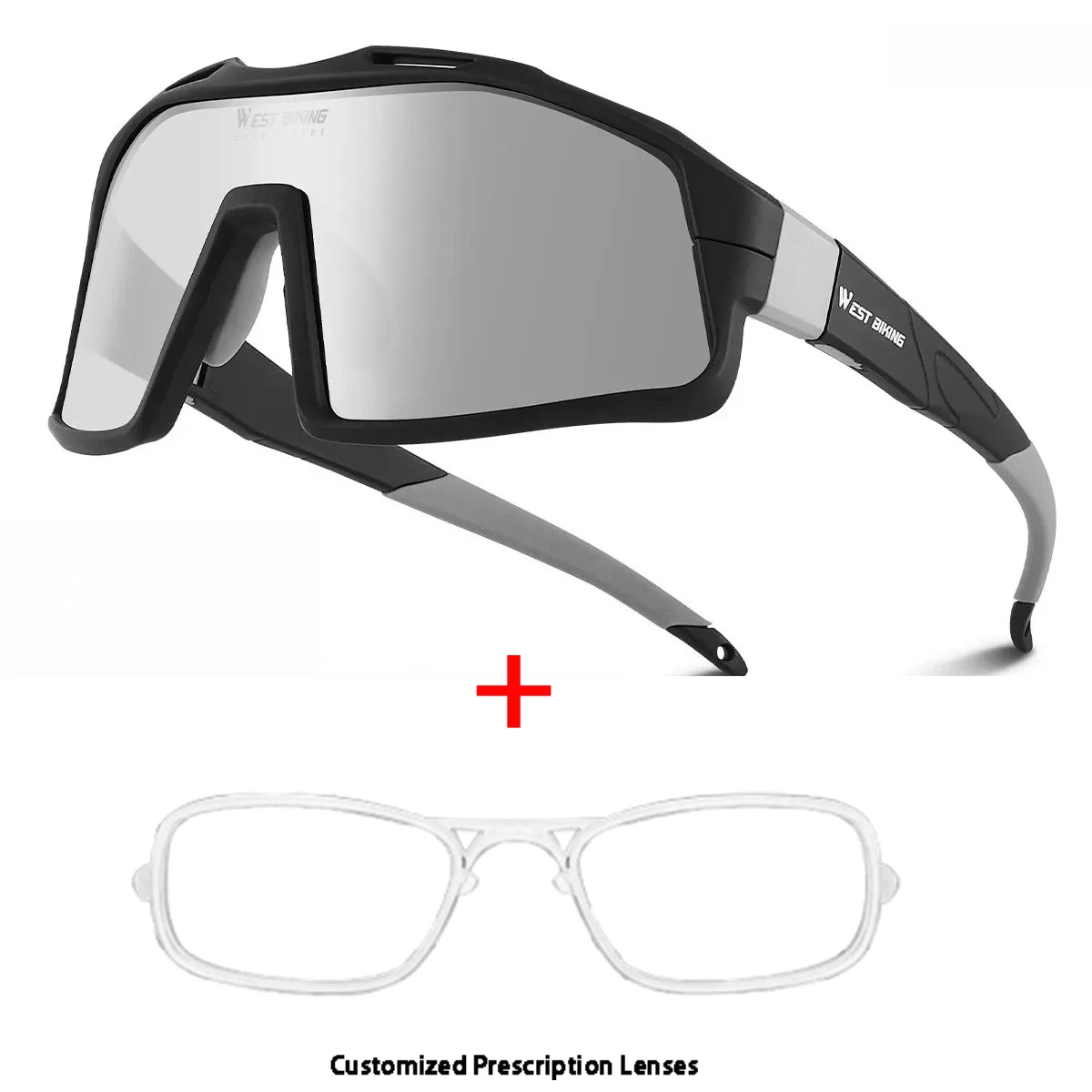
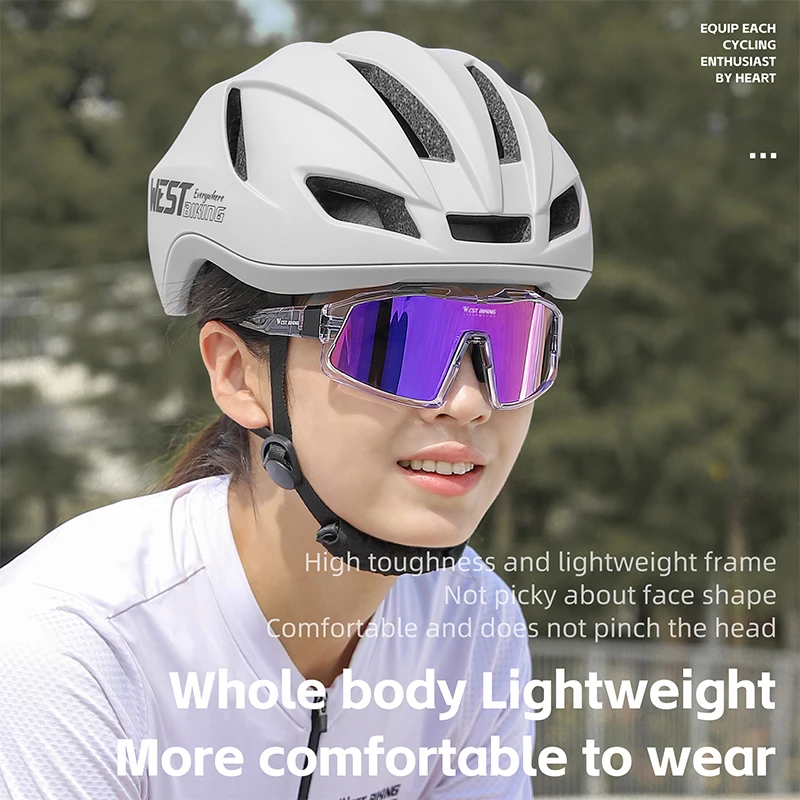
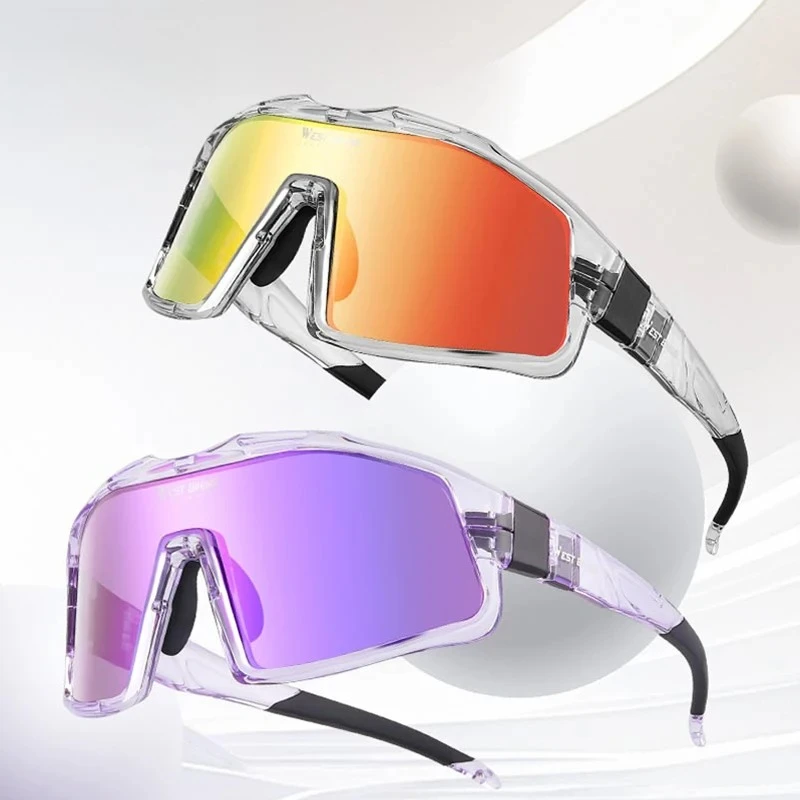
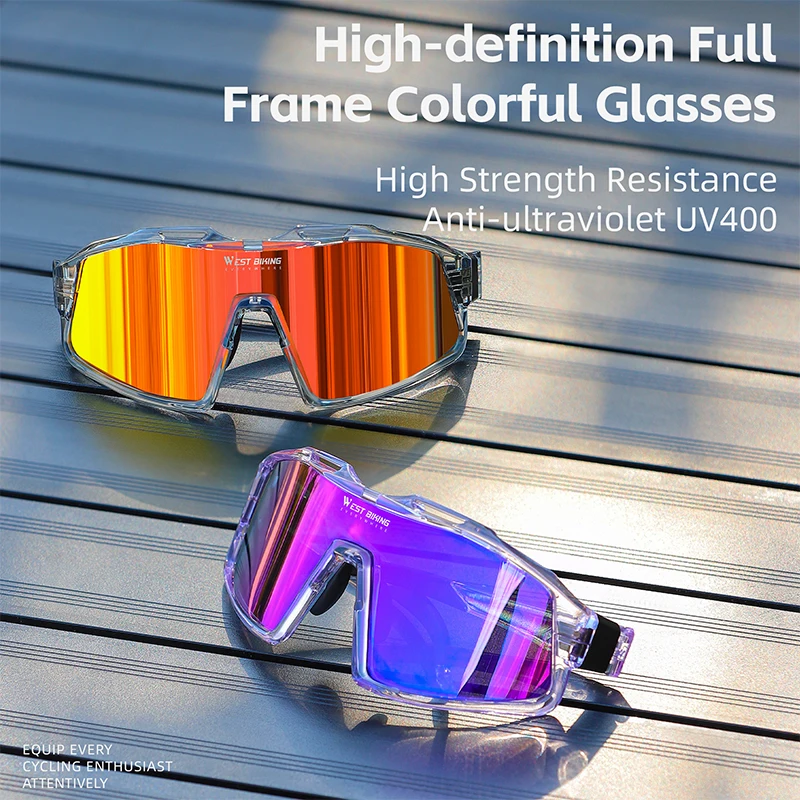
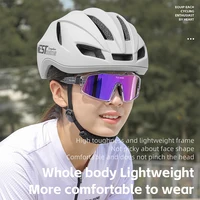
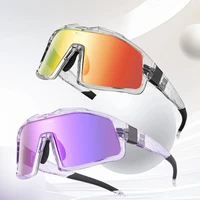
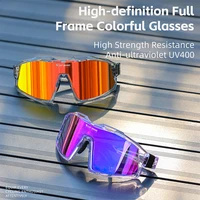
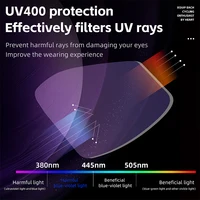


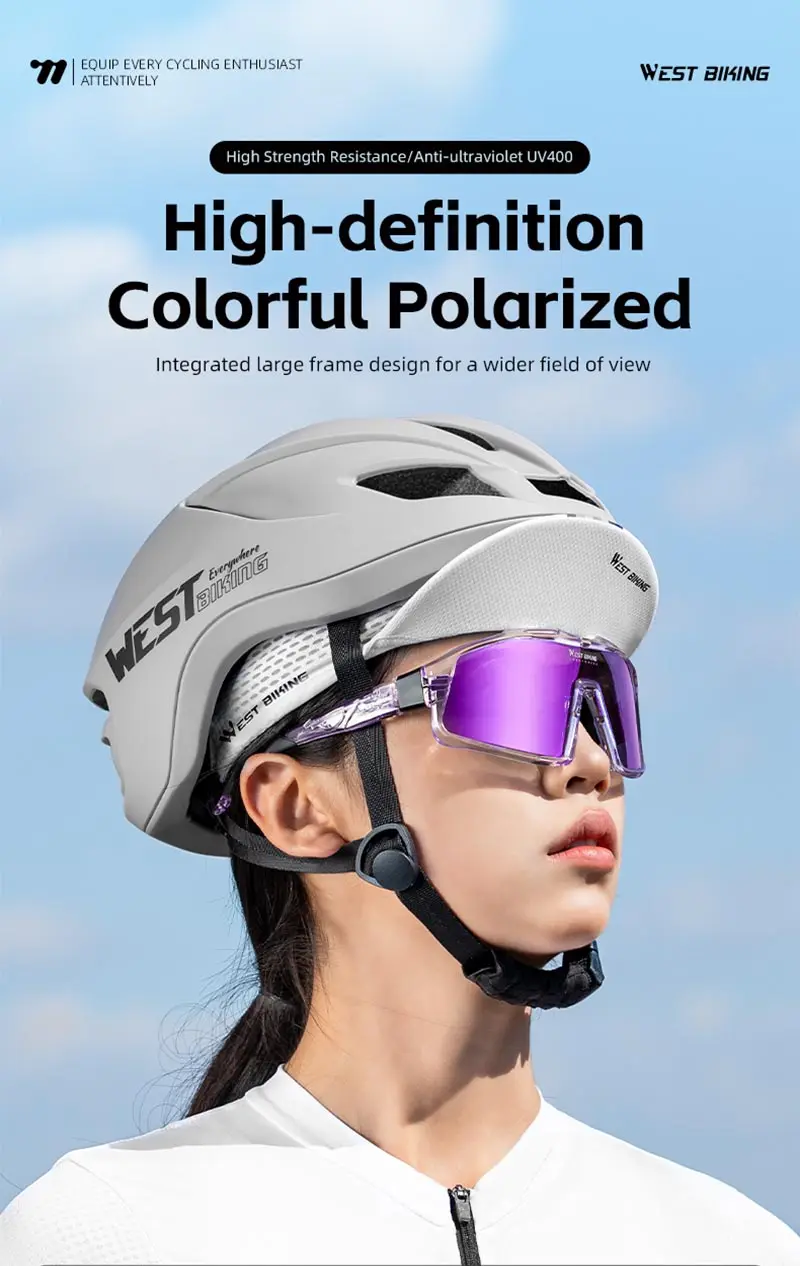
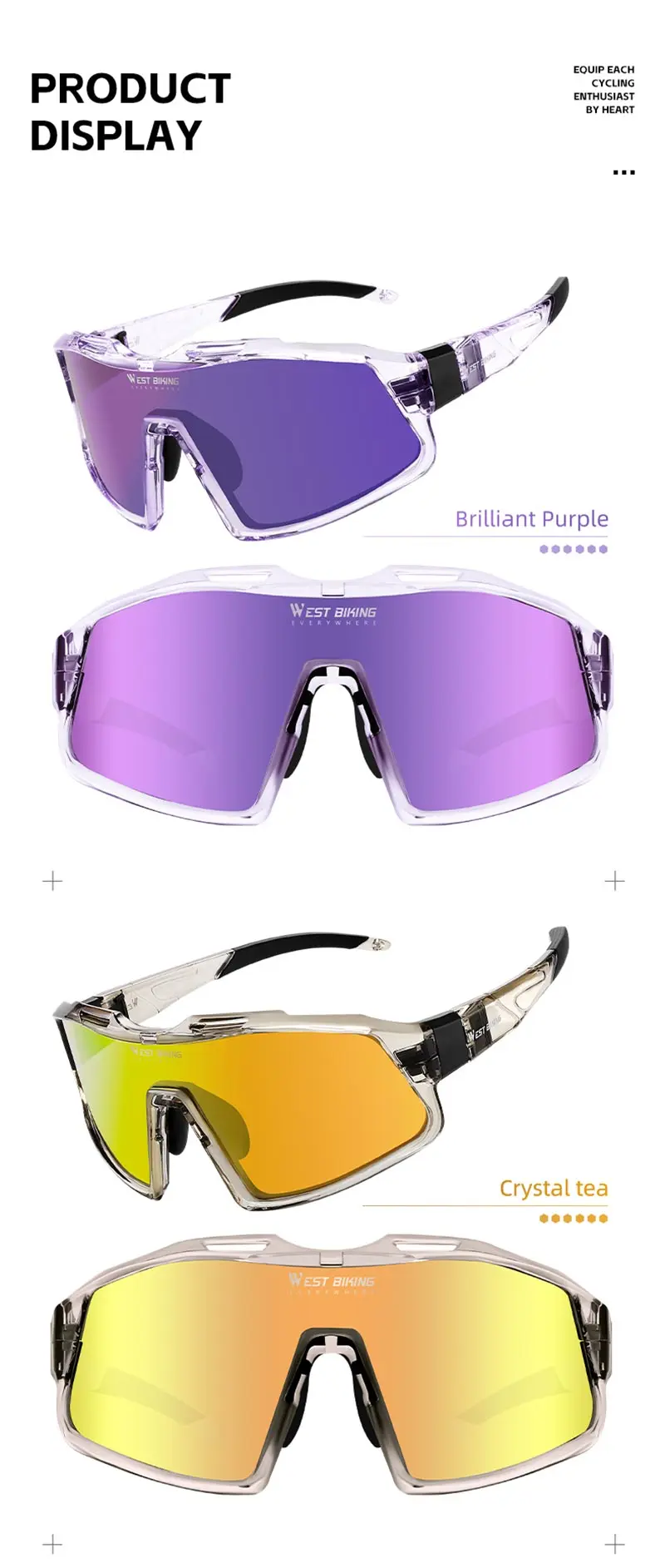
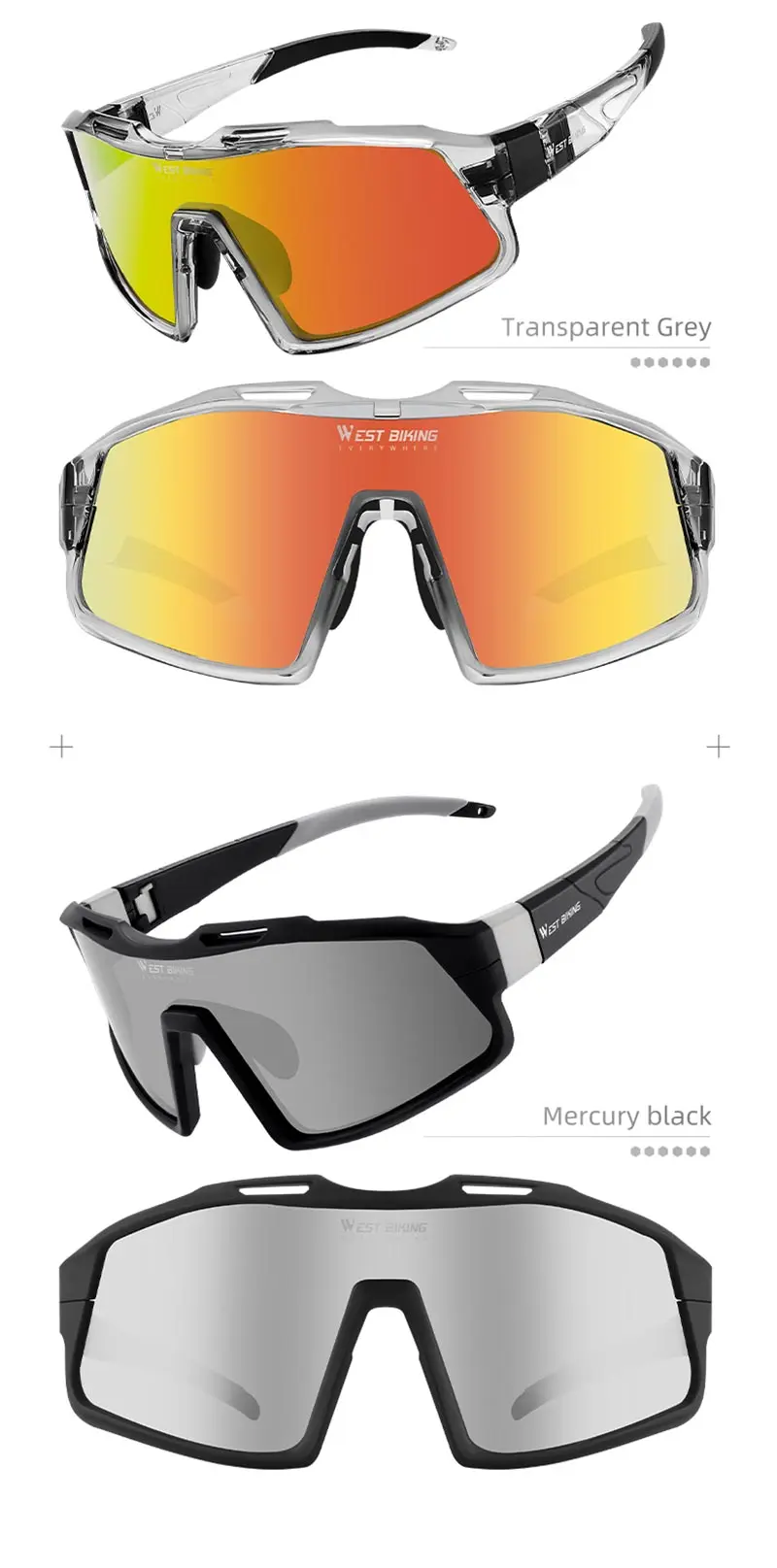
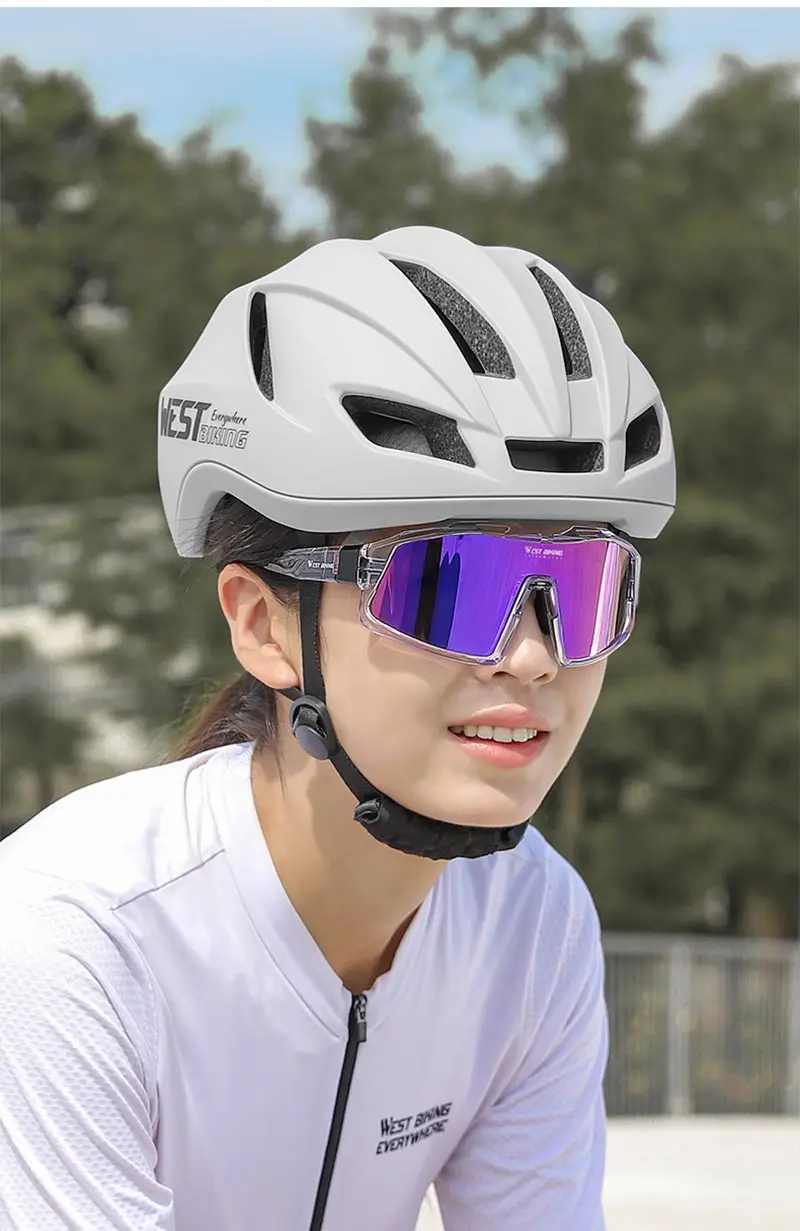
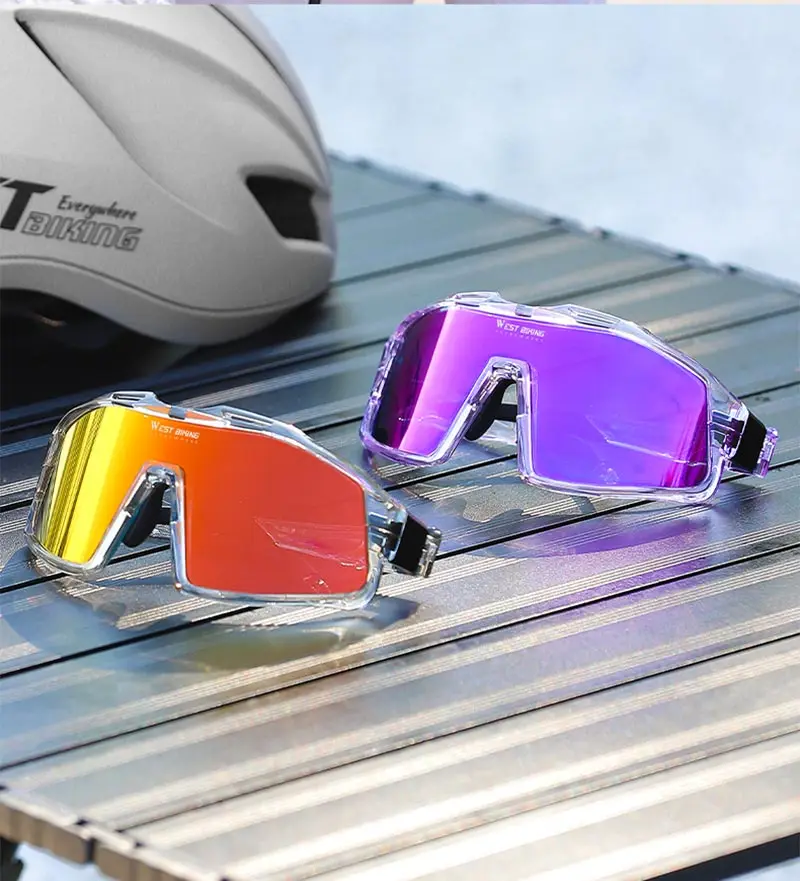
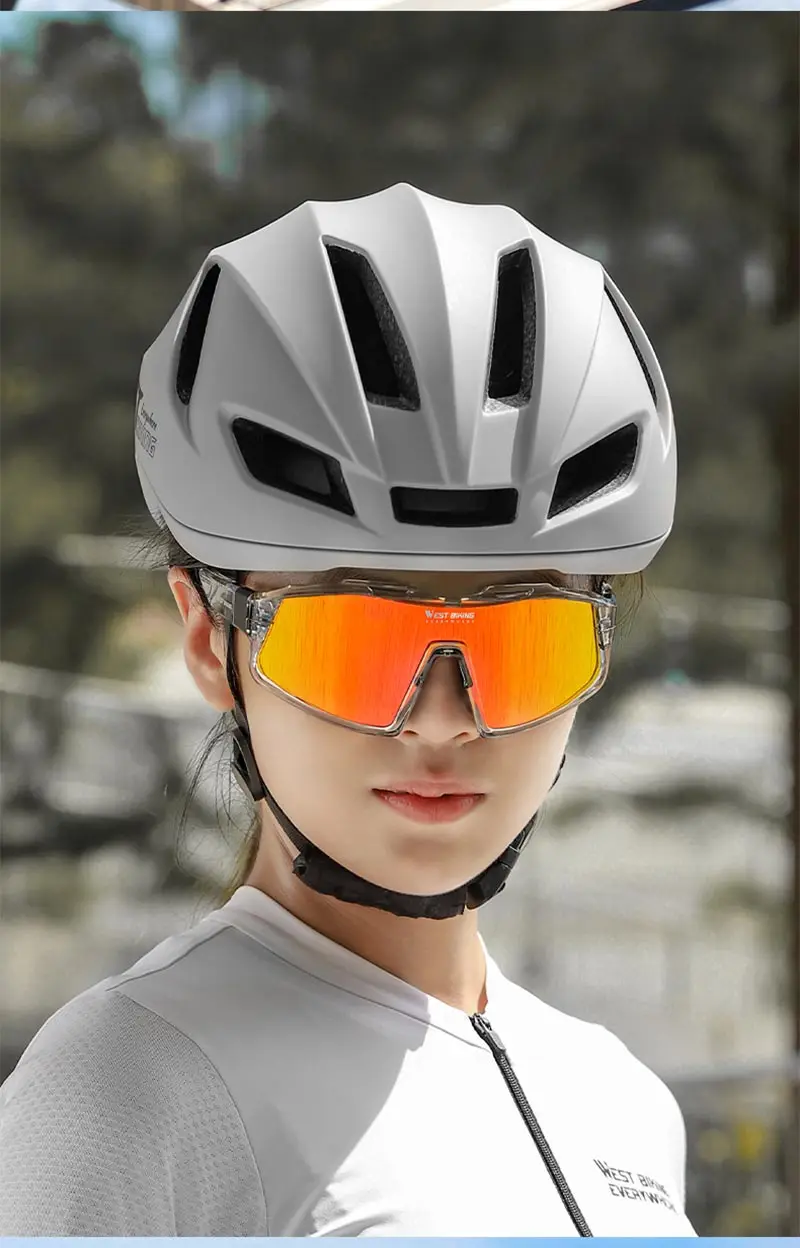
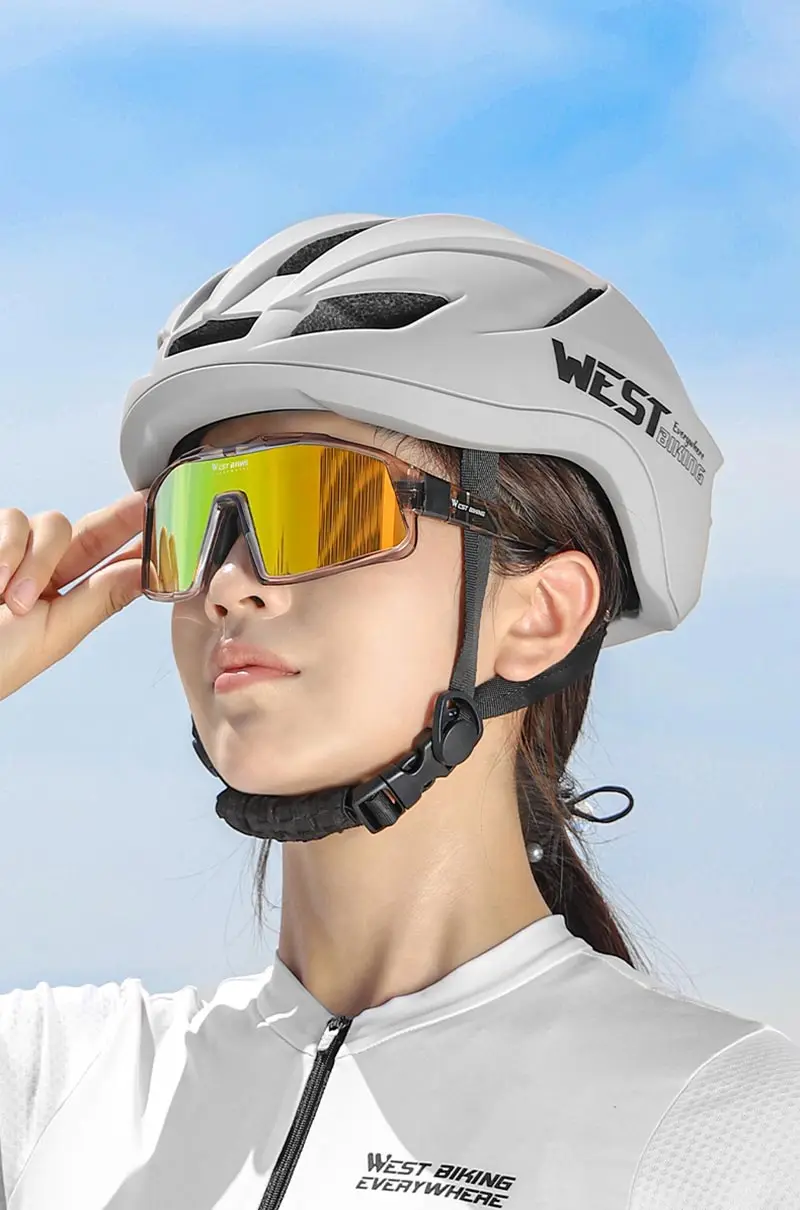
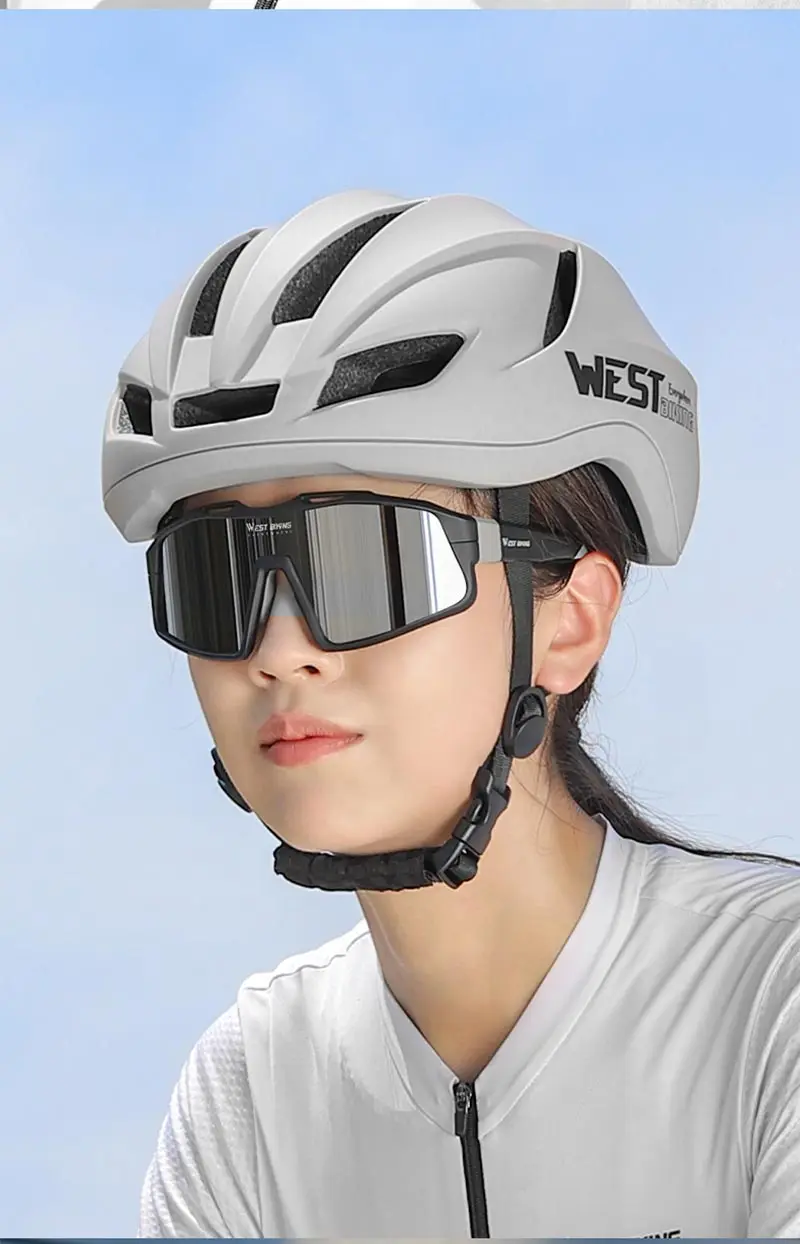
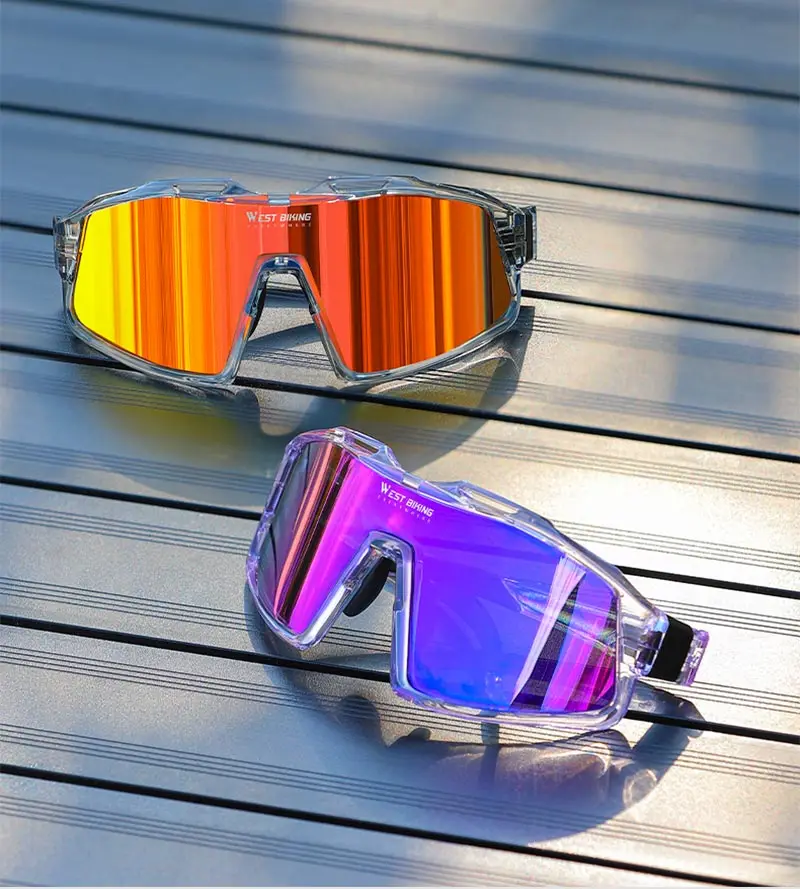
Polarized Sports Sunglasses
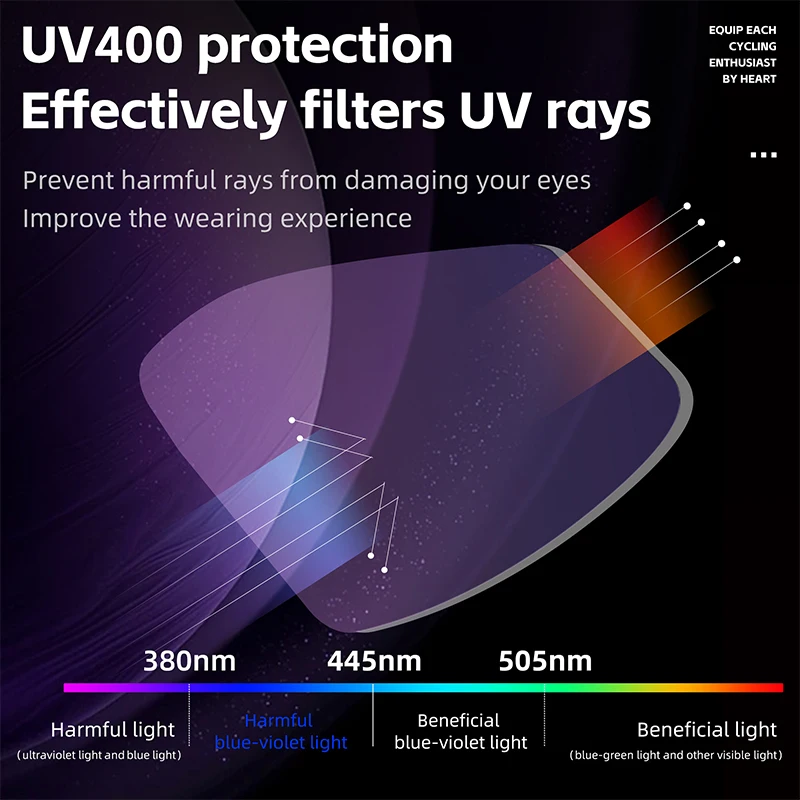
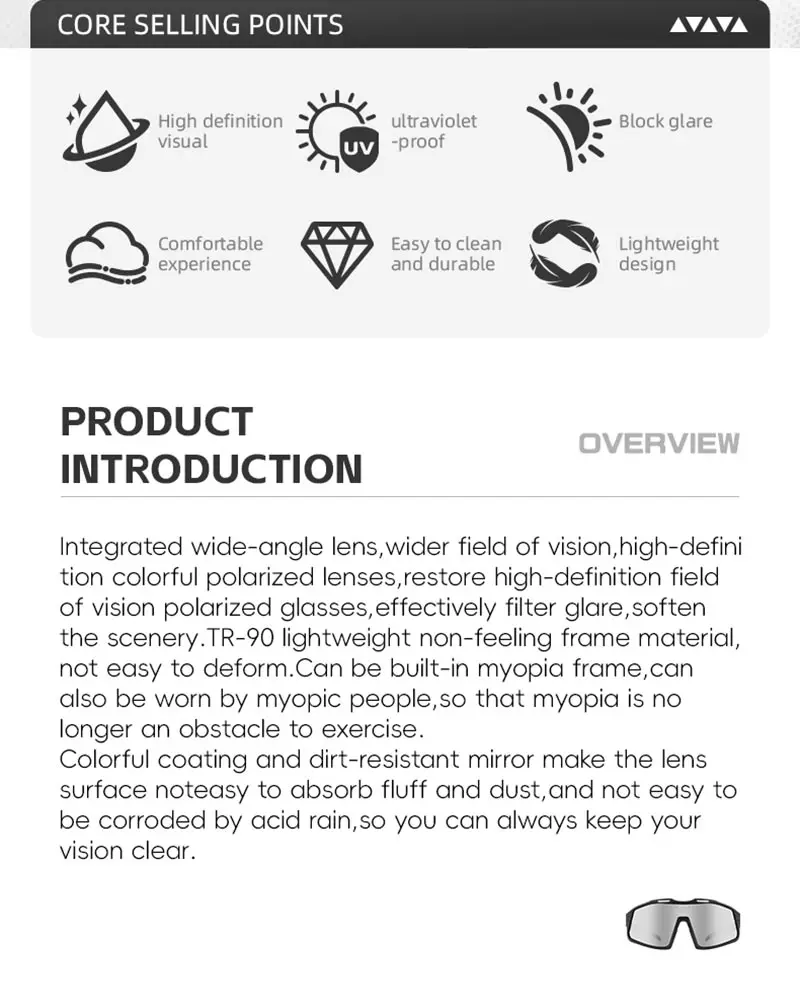
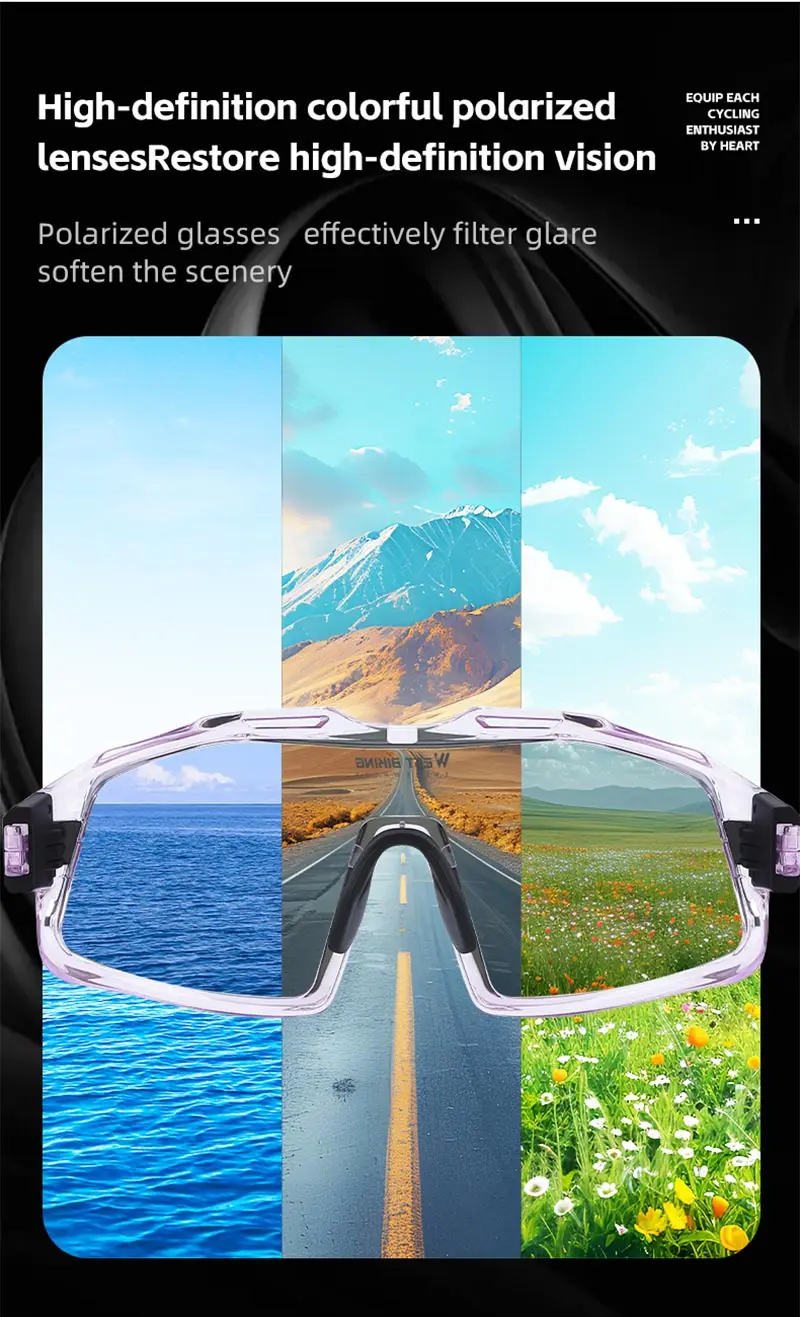
• Lens Type: HD polarized, glare-reducing
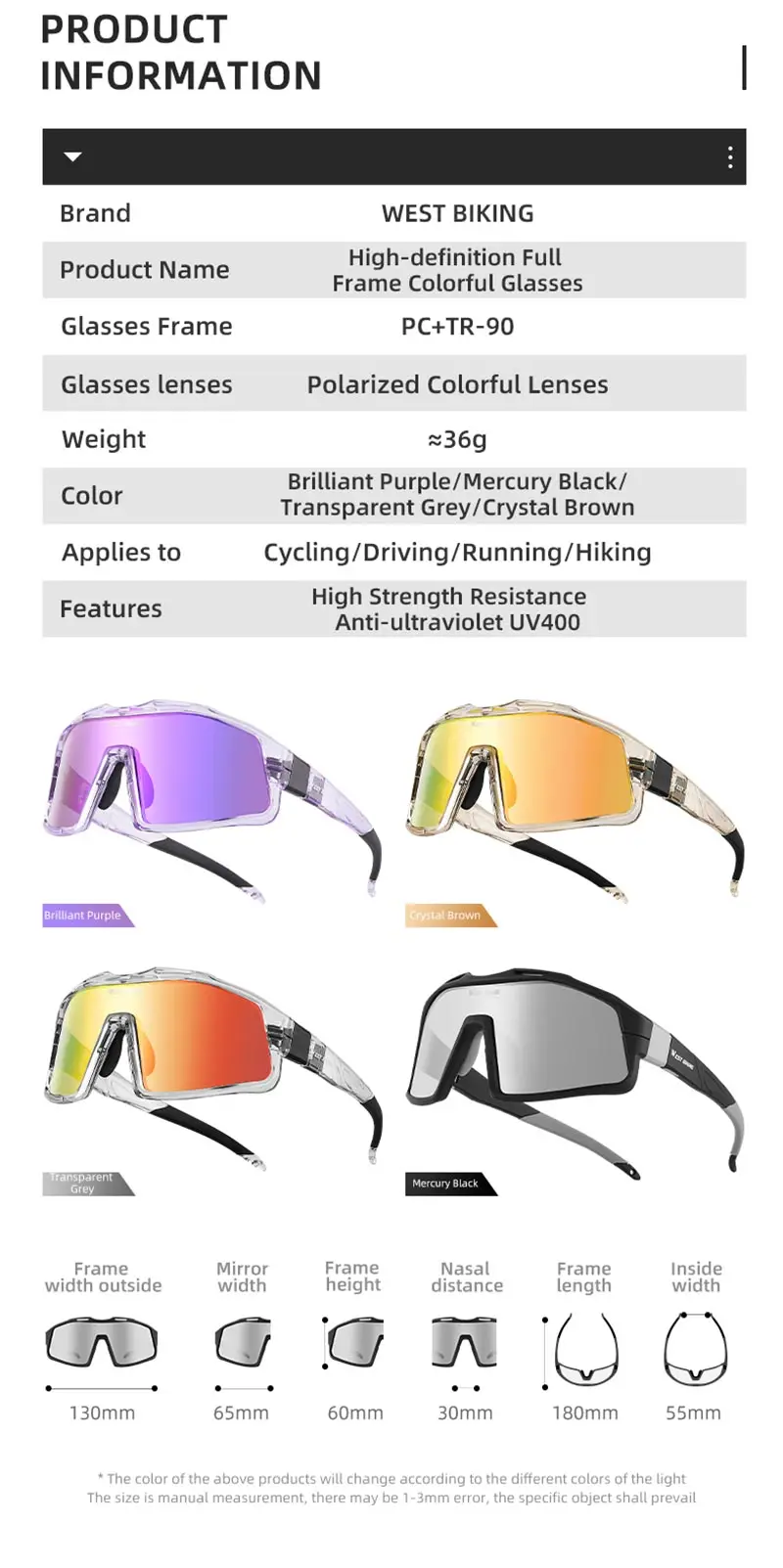
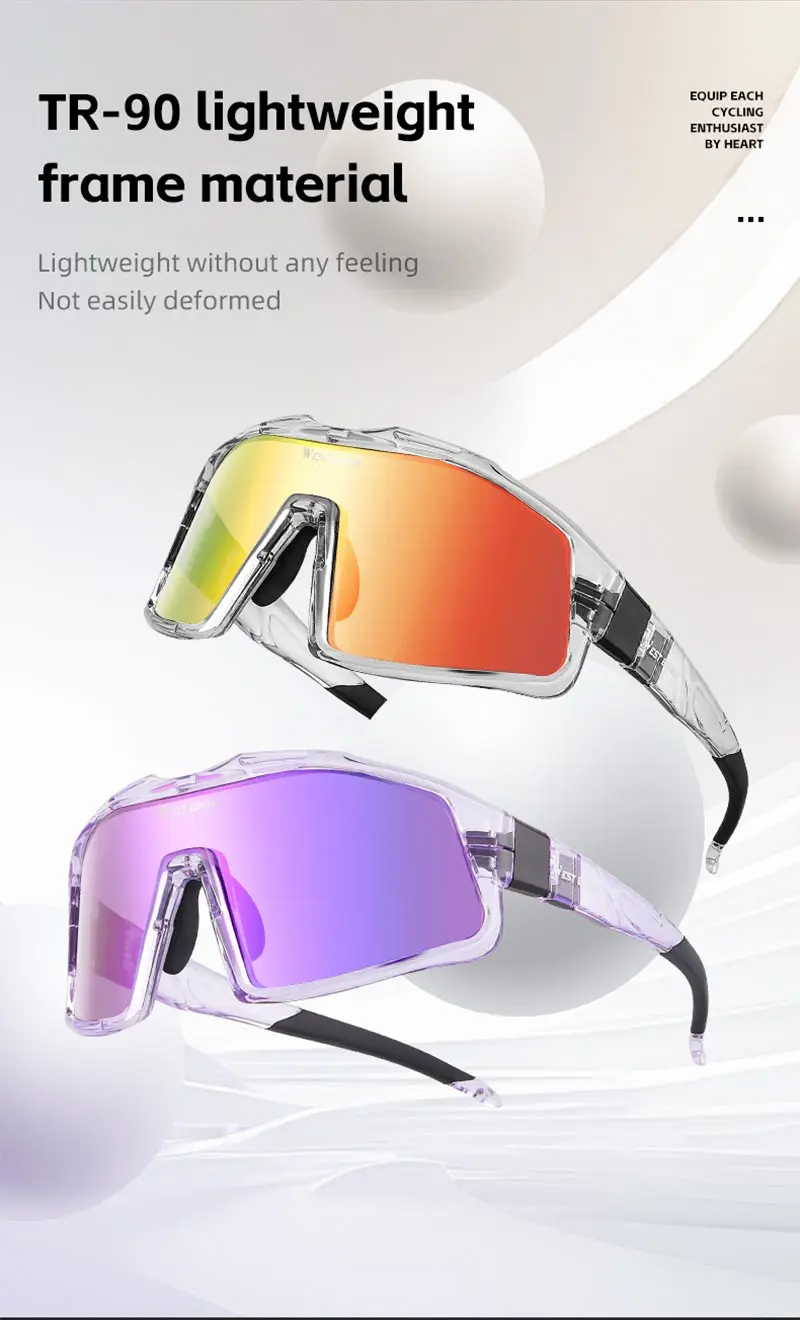
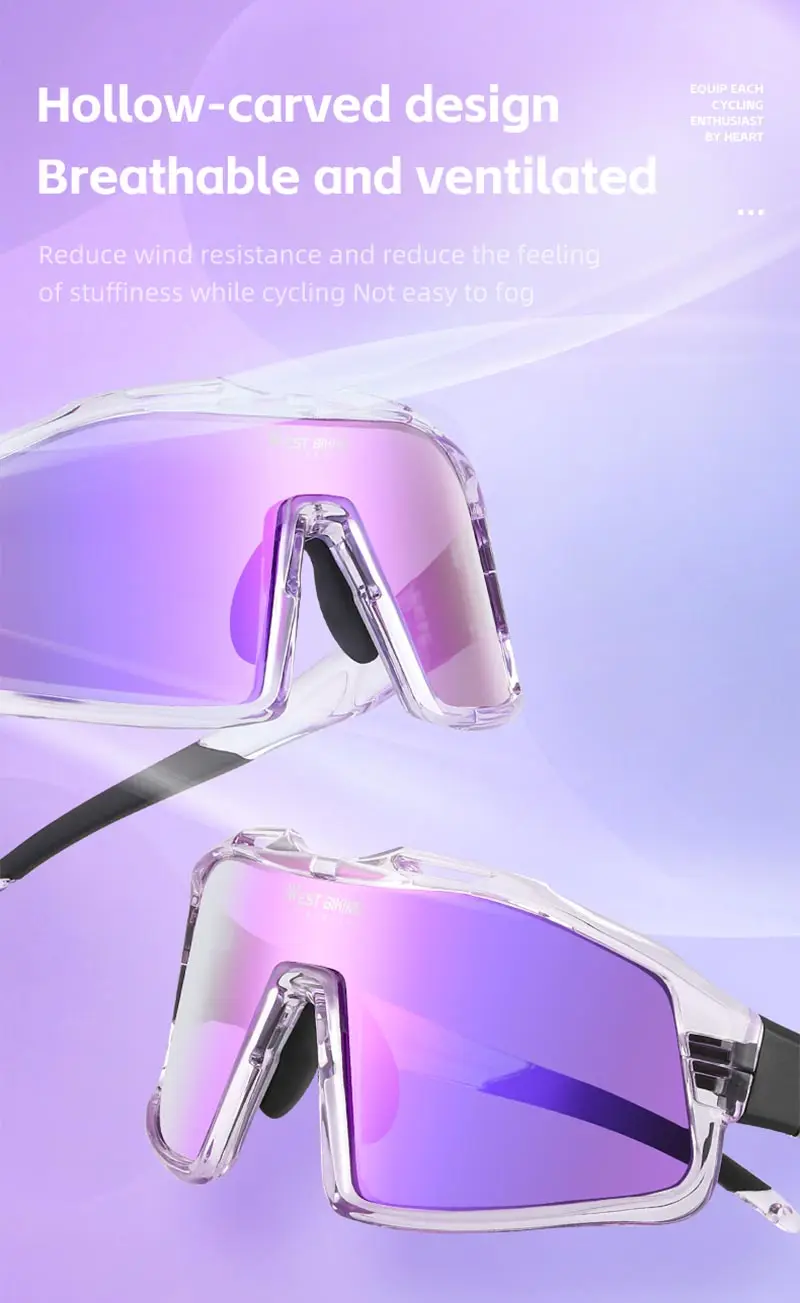
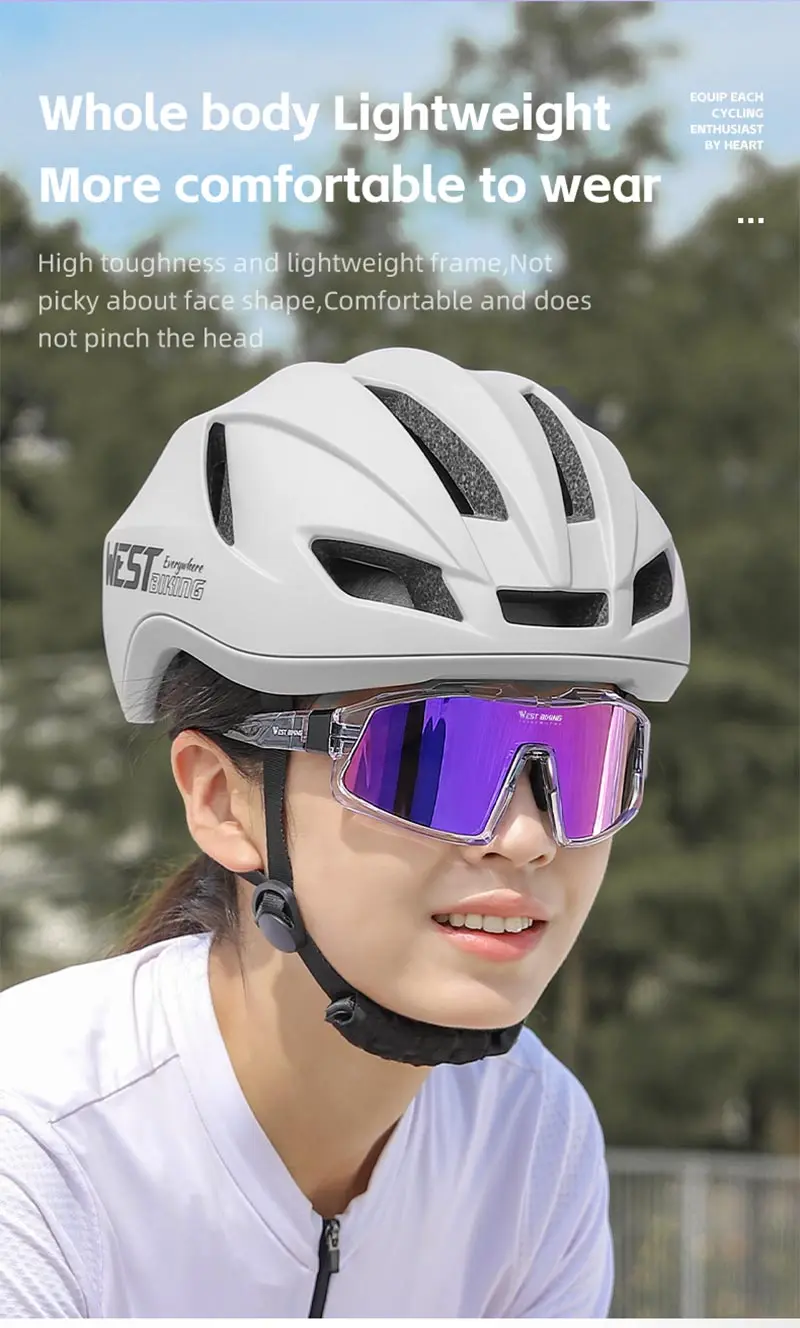
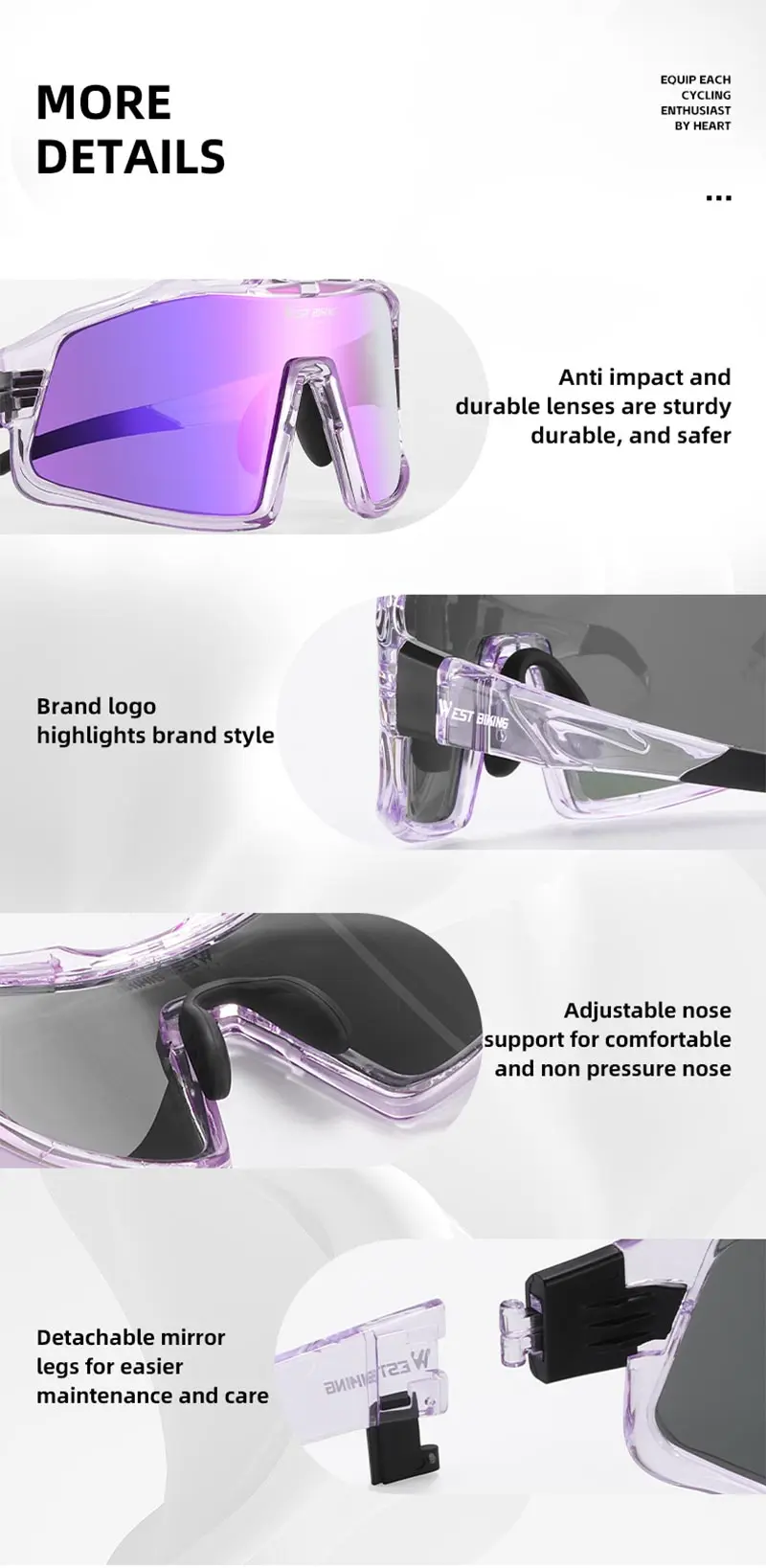
• Frame Material: TR-90 lightweight, shape-retaining
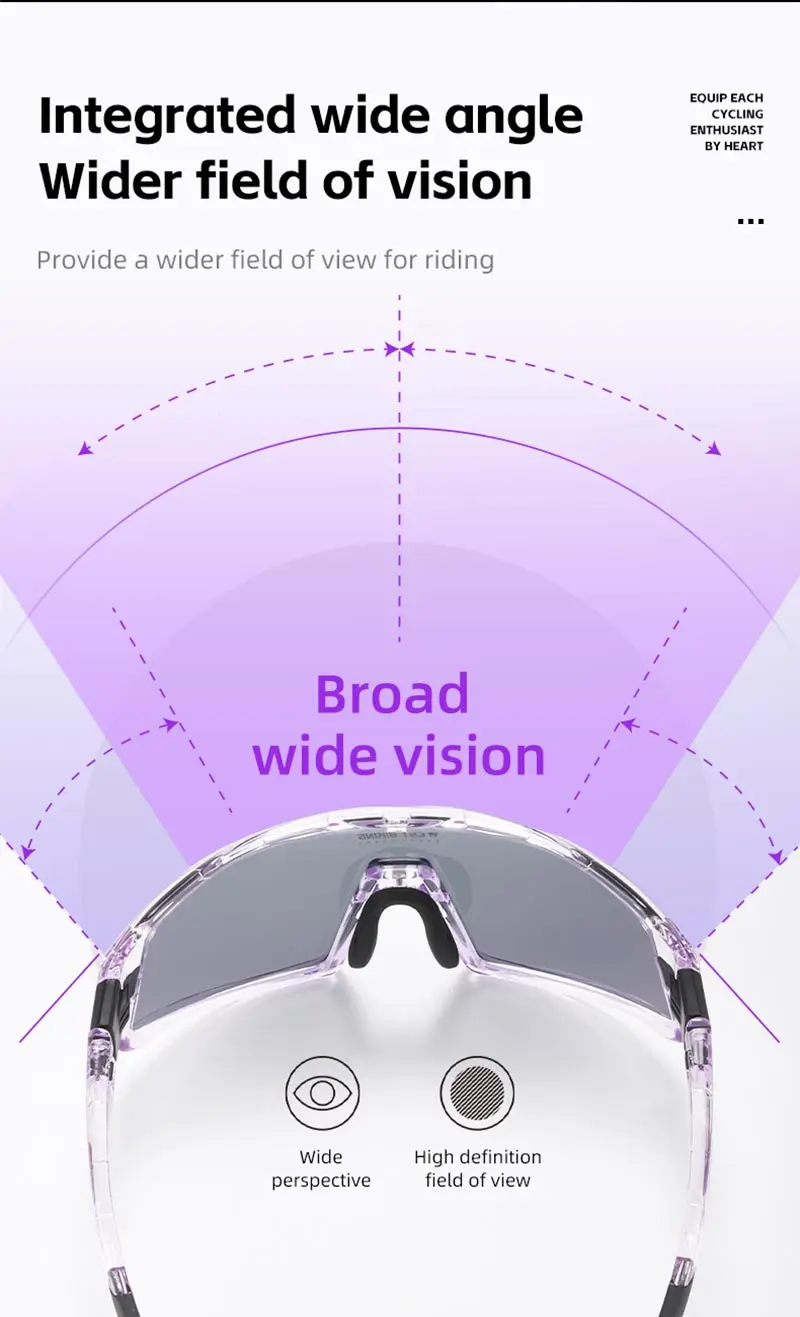
• Vision: Integrated wide-angle design
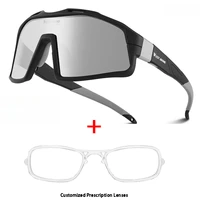
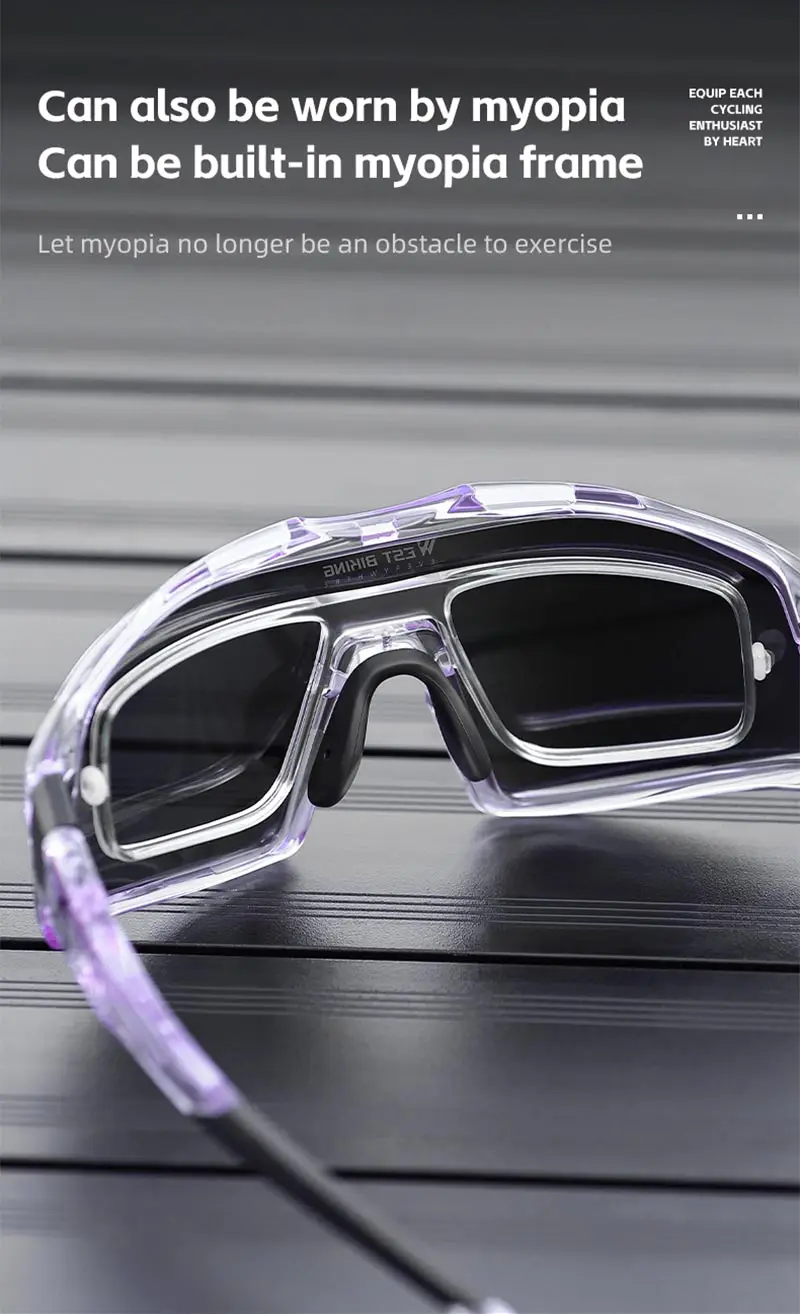
• Compatibility: Built-in prescription lens frame
• Coating: Durable anti-dust, anti-acid rain
• Use: Cycling, running, driving, outdoor sports
• Comfort: Lightweight, long-wearing
body {
font-family: Arial, sans-serif;
line-height: 1.6;
margin: 20px;
color: #333;
}
h1, h2 {
color: #333;
border-bottom: 2px solid #333;
padding-bottom: 5px;
}
h1 {
font-size: 24px;
}
h2 {
font-size: 20px;
margin-top: 30px;
}
p, ul {
color: #666;
font-size: 16px;
}
ul {
margin: 10px 0;
padding-left: 20px;
}
ul li {
margin-bottom: 10px;
}
.section {
margin-bottom: 30px;
}
.notice {
background-color: #f9f9f9;
padding: 20px;
border-left: 5px solid #ffcc00;
margin-top: 20px;
border-radius: 5px;
}
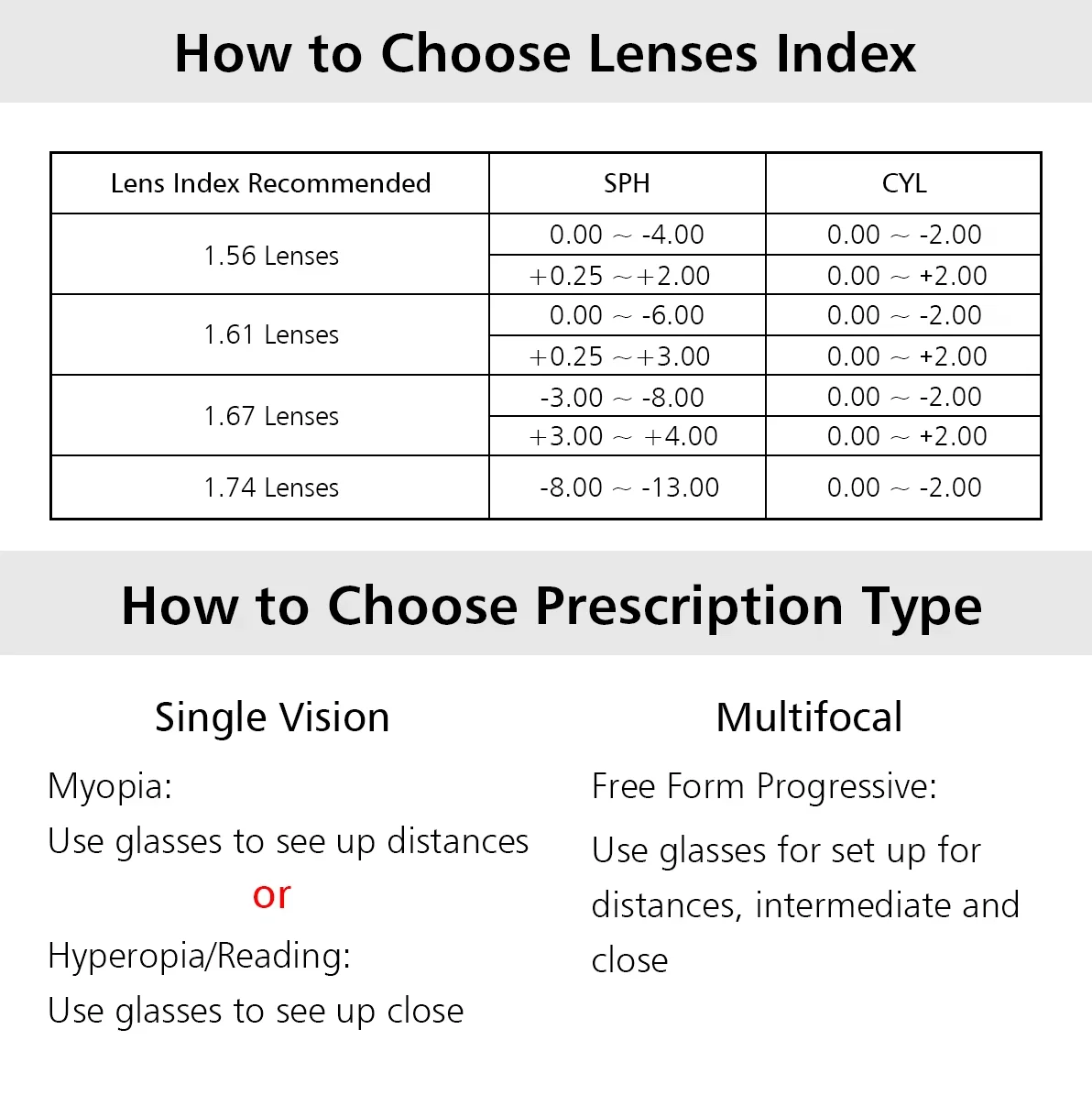
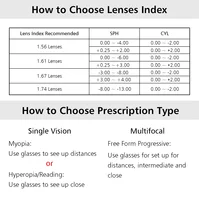
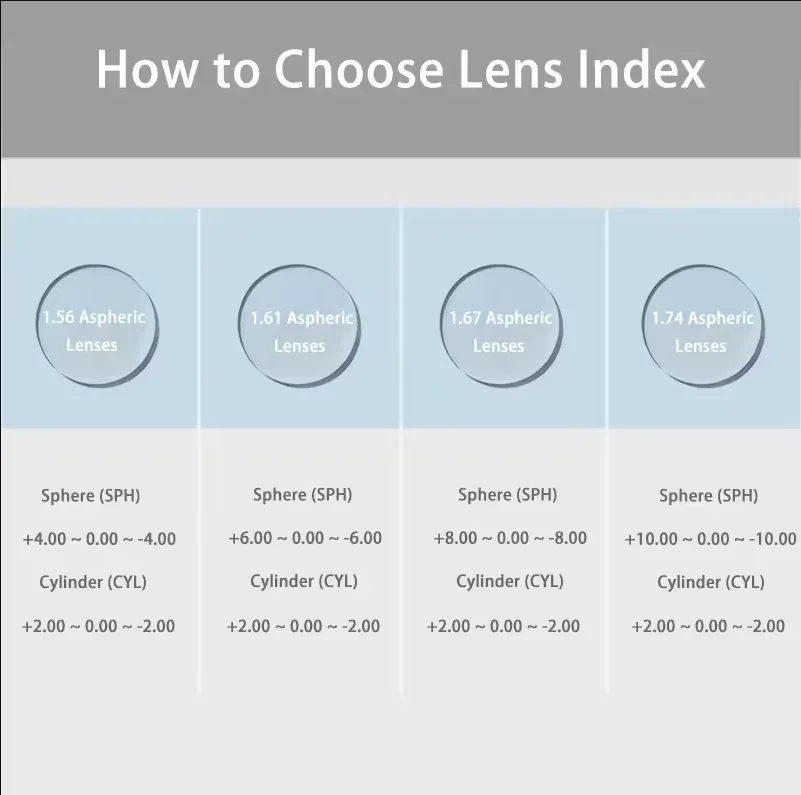
Purchase Notice: How to Choose the Right Lens Refractive Index
1. Understanding Refractive Index
The refractive index of a lens determines its thickness and clarity. Higher refractive index lenses are thinner, lighter, and offer better resolution, making them more comfortable to wear.
2. Choosing the Right Refractive Index
- SPH + CYL < 300: Recommended refractive index is 1.56. Lenses with 1.61/1.67 are also suitable for added comfort.
- SPH + CYL 300-500: Recommended refractive index is 1.61. Lenses with 1.67/1.74 are more suitable for added comfort.
- SPH + CYL 500-800: Recommended refractive index is 1.67. Lenses with 1.74 are also suitable for added comfort.
- SPH + CYL > 800: Recommended refractive index is 1.74.
3. Why Choose Higher Refractive Index?
Higher refractive index lenses are thinner, lighter, and more comfortable to wear, especially for higher prescriptions. They also provide better optical clarity and reduce lens distortion.









Reviews
There are no reviews yet.